
-
Sale!
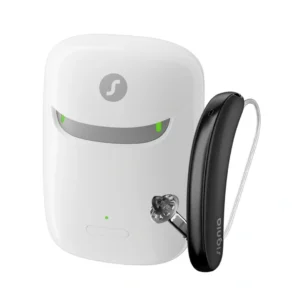
Signia Styletto1 IX
Original price was: ₹149,990.00.₹134,990.00Current price is: ₹134,990.00. Add to Cart -
Sale!
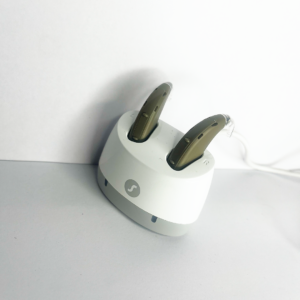
Signia Motion Charge and Go M/P/SP/IX
Original price was: ₹104,990.00.₹94,491.00Current price is: ₹94,491.00. Add to Cart -
Sale!
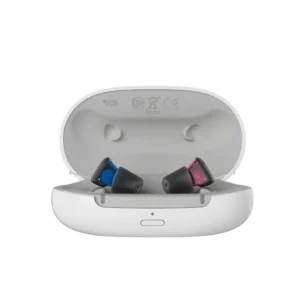
Signia Silk Charge and Go IX
Original price was: ₹120,990.00.₹108,891.00Current price is: ₹108,891.00. Add to Cart -
Sale!
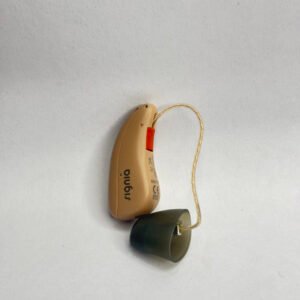
Signia Orion Charge and Go
Original price was: ₹30,990.00.₹27,891.00Current price is: ₹27,891.00. Add to Cart -
Sale!
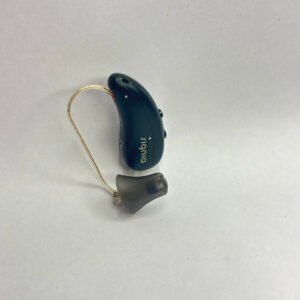
Signia Pure Charge and Go
Original price was: ₹129,990.00.₹116,991.00Current price is: ₹116,991.00. Add to Cart -
Sale!
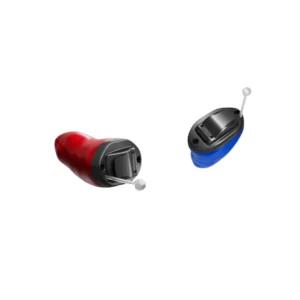
Signia Insio IX
Original price was: ₹48,990.00.₹44,091.00Current price is: ₹44,091.00. Add to Cart -
Sale!
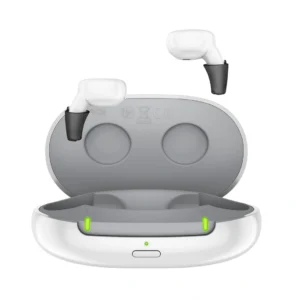
Signia Active Pro IX
Original price was: ₹324,990.00.₹121,491.00Current price is: ₹121,491.00. Add to Cart -
Sale!
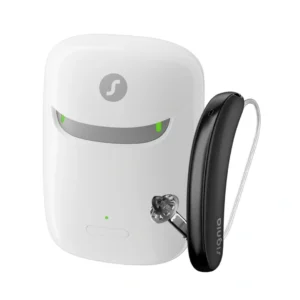
Signia CROS IX
Original price was: ₹29,490.00.₹26,541.00Current price is: ₹26,541.00. Add to Cart -
Sale!
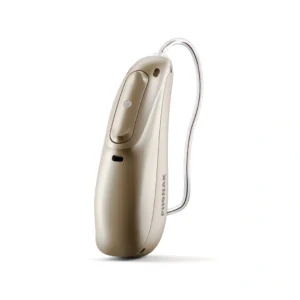
Phonak Audeo l 70/90 Sphere Infinio
Original price was: ₹557,000.00.₹501,300.00Current price is: ₹501,300.00. Add to Cart -
Sale!
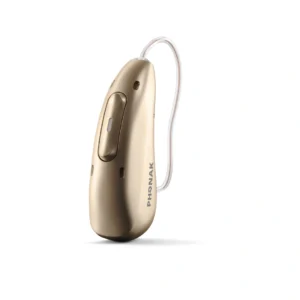
Phonak Audeo R Infinio
Original price was: ₹144,000.00.₹129,600.00Current price is: ₹129,600.00. Add to Cart -
Sale!
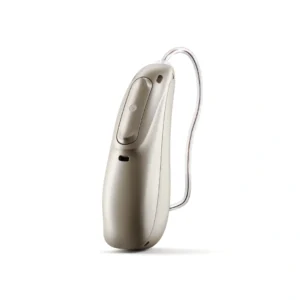
Phonak Audeo L R
Original price was: ₹132,000.00.₹118,800.00Current price is: ₹118,800.00. Add to Cart -
Sale!
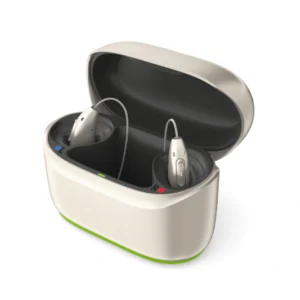
Phonak Audeo L 312
Original price was: ₹59,000.00.₹53,100.00Current price is: ₹53,100.00. Add to Cart -
Sale!
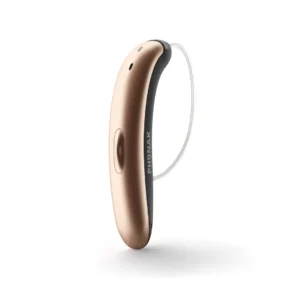
Phonak Slim L R
Original price was: ₹151,000.00.₹135,900.00Current price is: ₹135,900.00. Add to Cart -
Sale!
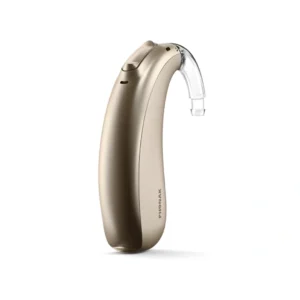
Phonak Naida L UP
Original price was: ₹58,500.00.₹52,650.00Current price is: ₹52,650.00. Add to Cart -
Sale!
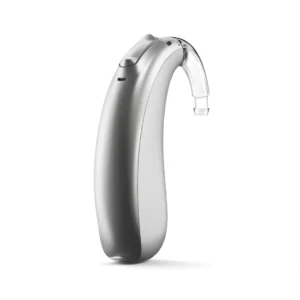
Phonak Naida L SP
Original price was: ₹58,500.00.₹52,650.00Current price is: ₹52,650.00. Add to Cart -
Sale!
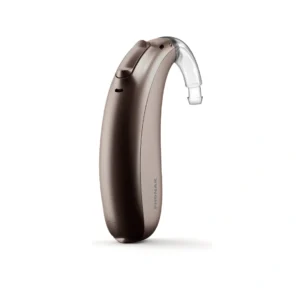
Phonak Naida L PR
Original price was: ₹132,000.00.₹118,800.00Current price is: ₹118,800.00. Add to Cart -
Sale!
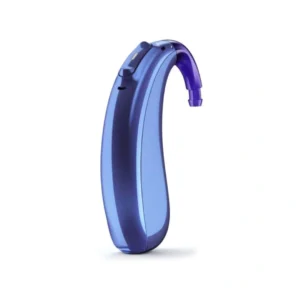
Phonak Sky L PR
Original price was: ₹132,000.00.₹118,800.00Current price is: ₹118,800.00. Add to Cart -
Sale!
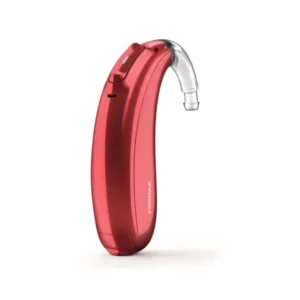
Phonak Sky L SP
Original price was: ₹58,500.00.₹52,650.00Current price is: ₹52,650.00. Add to Cart -
Sale!
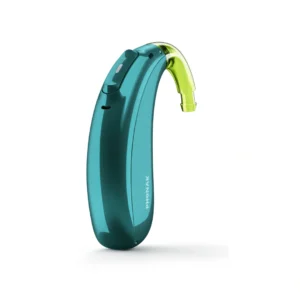
Phonak Sky L UP
Original price was: ₹58,500.00.₹52,650.00Current price is: ₹52,650.00. Add to Cart -
Sale!
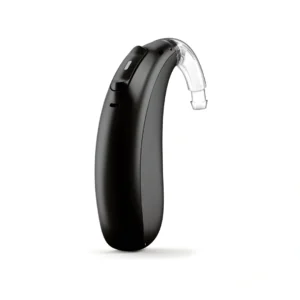
Phonak Terra
Original price was: ₹29,750.00.₹26,775.00Current price is: ₹26,775.00. Add to Cart -
Sale!
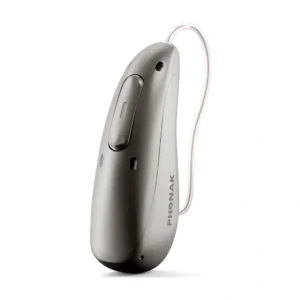
Phonak Terra +
Original price was: ₹40,000.00.₹36,000.00Current price is: ₹36,000.00. Add to Cart -
Sale!
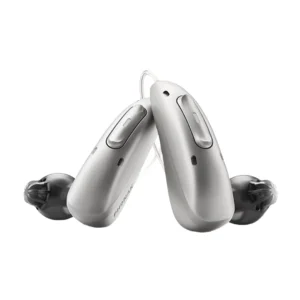
Phonak CROS I R
Original price was: ₹54,500.00.₹49,050.00Current price is: ₹49,050.00. Add to Cart -
Sale!
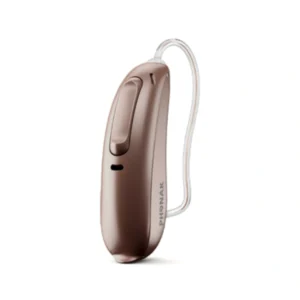
Phonak CROS L R
Original price was: ₹52,500.00.₹47,250.00Current price is: ₹47,250.00. Add to Cart -
Sale!
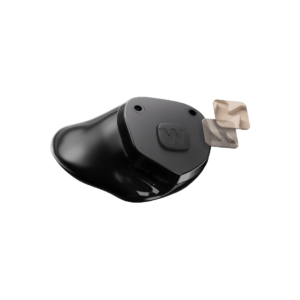
Widex Allure ITE R D
Original price was: ₹95,000.00.₹85,500.00Current price is: ₹85,500.00. Add to Cart -
Sale!
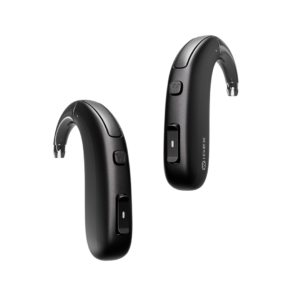
Widex Allure BTE R D
Original price was: ₹95,000.00.₹85,500.00Current price is: ₹85,500.00. Add to Cart -
Sale!
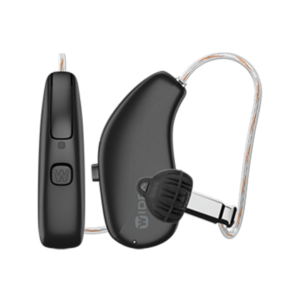
Widex Allure RIC R D
Original price was: ₹95,000.00.₹85,500.00Current price is: ₹85,500.00. Add to Cart -
Sale!
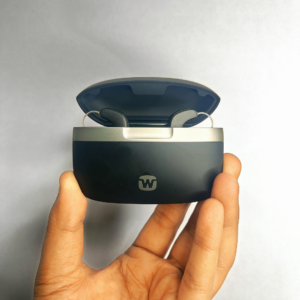
Widex Moment KIT SMARTRIC R D
Original price was: ₹155,000.00.₹139,500.00Current price is: ₹139,500.00. Add to Cart -
Sale!
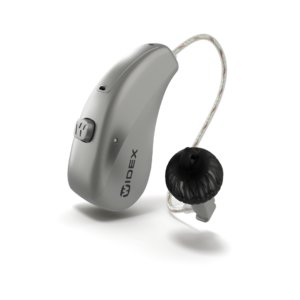
Widex Moment SRIC R D
Original price was: ₹80,000.00.₹72,000.00Current price is: ₹72,000.00. Add to Cart -
Sale!
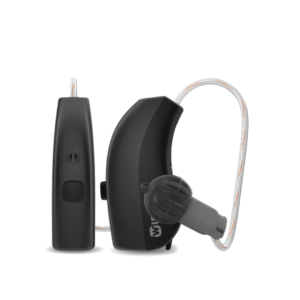
Widex Moment RIC 312 D
Original price was: ₹70,000.00.₹63,000.00Current price is: ₹63,000.00. Add to Cart -
Sale!
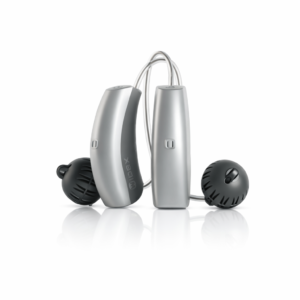
Widex Moment RIC 10
Original price was: ₹70,000.00.₹63,000.00Current price is: ₹63,000.00. Add to Cart -
Sale!
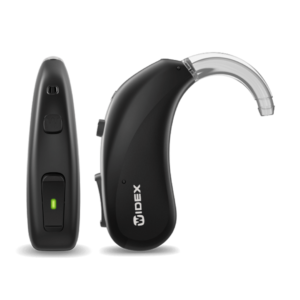
Widex Moment BTE R D
Original price was: ₹75,000.00.₹67,500.00Current price is: ₹67,500.00. Add to Cart -
Sale!
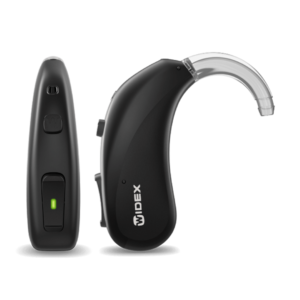
Widex Moment BTE 13 D
Original price was: ₹70,000.00.₹63,000.00Current price is: ₹63,000.00. Add to Cart -
Sale!
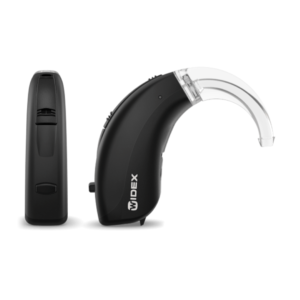
Widex Moment BTE 312
Original price was: ₹70,000.00.₹63,000.00Current price is: ₹63,000.00. Add to Cart -
Sale!
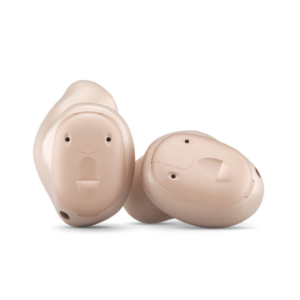
Widex Moment ITC
Original price was: ₹70,000.00.₹63,000.00Current price is: ₹63,000.00. Add to Cart -
Sale!
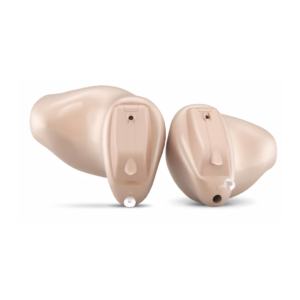
Widex Moment CIC
Original price was: ₹70,000.00.₹63,000.00Current price is: ₹63,000.00. Add to Cart -
Sale!
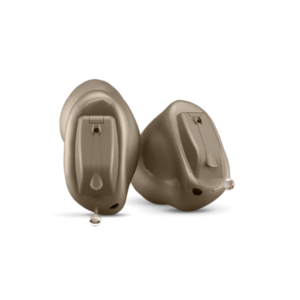
Widex Moment CIC Micro
Original price was: ₹70,000.00.₹63,000.00Current price is: ₹63,000.00. Add to Cart -
Sale!
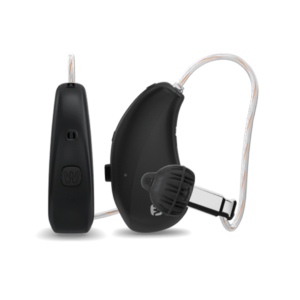
Widex mRIC R D
Original price was: ₹45,990.00.₹41,391.00Current price is: ₹41,391.00. Add to Cart -
Sale!
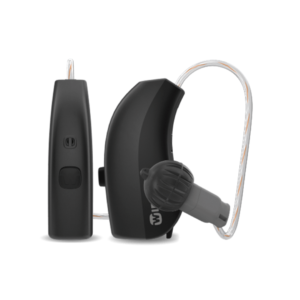
Widex RIC 312 D
Original price was: ₹38,500.00.₹34,650.00Current price is: ₹34,650.00. Add to Cart -
Sale!
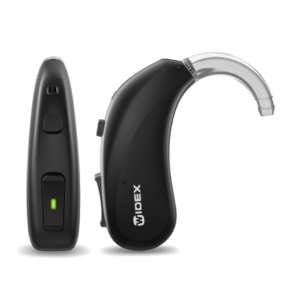
Widex Magnify BTE R D
Original price was: ₹82,990.00.₹74,691.00Current price is: ₹74,691.00. Add to Cart -
Sale!
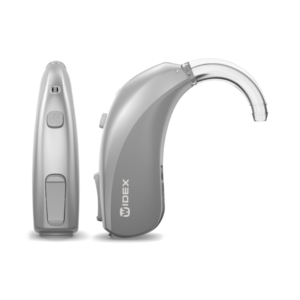
Widex Magnify BTE 13 D
Original price was: ₹35,500.00.₹31,950.00Current price is: ₹31,950.00. Add to Cart -
Sale!
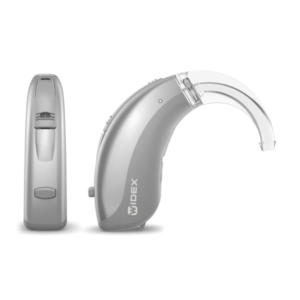
Widex Magnify BTE 312
Original price was: ₹25,500.00.₹22,950.00Current price is: ₹22,950.00. Add to Cart -
Sale!
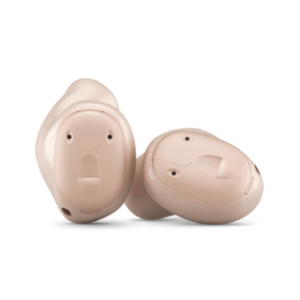
Widex Magnify ITC
Original price was: ₹25,500.00.₹22,950.00Current price is: ₹22,950.00. Add to Cart -
Sale!
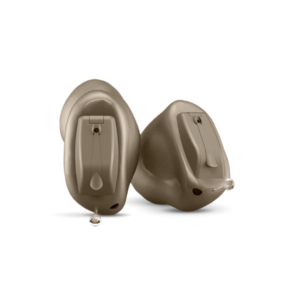
Widex Magnify CIC
Original price was: ₹25,500.00.₹22,950.00Current price is: ₹22,950.00. Add to Cart -
Sale!
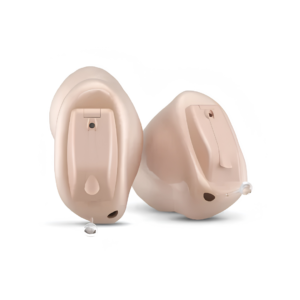
Widex Magnify CIC Micro
Original price was: ₹25,500.00.₹22,950.00Current price is: ₹22,950.00. Add to Cart -
Sale!
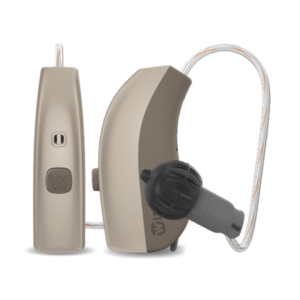
Widex Enjoy RIC 312 D
Original price was: ₹34,990.00.₹31,491.00Current price is: ₹31,491.00. Add to Cart -
Sale!
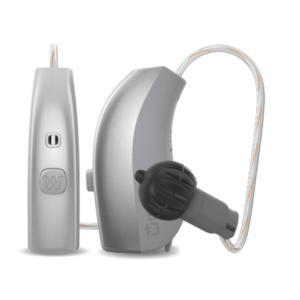
Widex Enjoy RIC 312
Original price was: ₹28,990.00.₹26,091.00Current price is: ₹26,091.00. Add to Cart -
Sale!
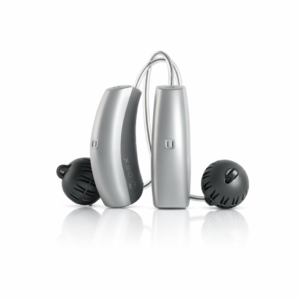
Widex Enjoy RIC 10
Original price was: ₹45,990.00.₹41,391.00Current price is: ₹41,391.00. Add to Cart -
Sale!
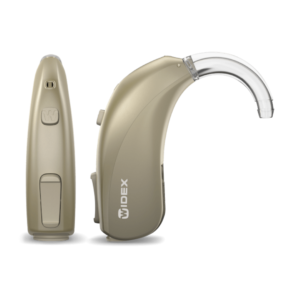
Widex Enjoy BTE 13 D
Original price was: ₹34,990.00.₹31,491.00Current price is: ₹31,491.00. Add to Cart -
Sale!
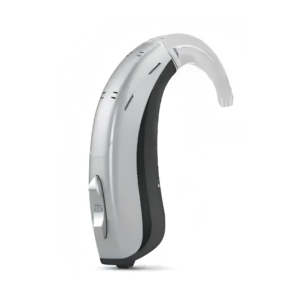
Widex Enjoy BTE 13 Power
Original price was: ₹23,990.00.₹21,591.00Current price is: ₹21,591.00. Add to Cart -
Sale!
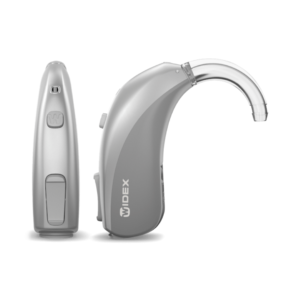
Widex Enjoy BTE 312
Original price was: ₹23,990.00.₹21,591.00Current price is: ₹21,591.00. Add to Cart -
Sale!

Widex Enjoy Custom Hearing Aid
Original price was: ₹23,990.00.₹21,591.00Current price is: ₹21,591.00. Add to Cart -
Sale!
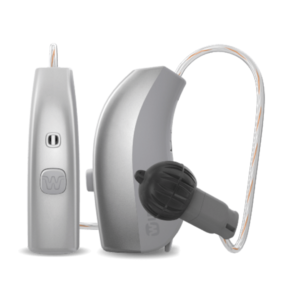
Widex Evoke RIC 312 Direct (MFi)
Original price was: ₹65,000.00.₹58,500.00Current price is: ₹58,500.00. Add to Cart -
Sale!
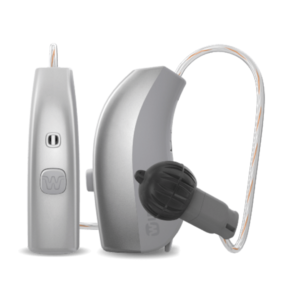
Widex Evoke RIC 312 Direct (MFi) F Series
Original price was: ₹65,000.00.₹58,500.00Current price is: ₹58,500.00. Add to Cart -
Sale!
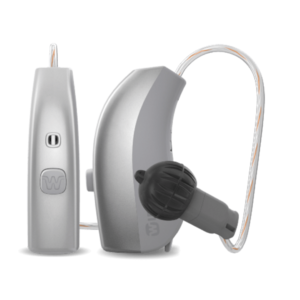
Widex Evoke RIC 312 F Series
Original price was: ₹65,000.00.₹58,500.00Current price is: ₹58,500.00. Add to Cart -
Sale!
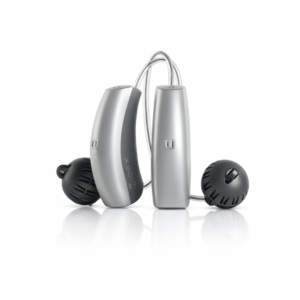
Widex Evoke RIC 10
Original price was: ₹65,000.00.₹58,500.00Current price is: ₹58,500.00. Add to Cart -
Sale!
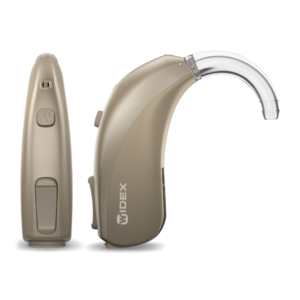
Widex Evoke BTE 13 Direct (MFi)
Original price was: ₹65,000.00.₹58,500.00Current price is: ₹58,500.00. Add to Cart -
Sale!
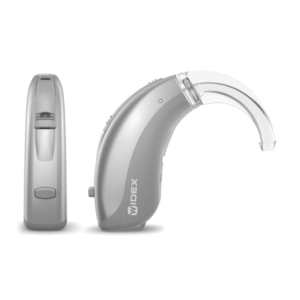
Widex Evoke BTE 312
Original price was: ₹65,000.00.₹58,500.00Current price is: ₹58,500.00. Add to Cart -
Sale!
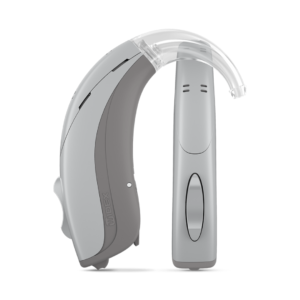
Widex Evoke Mini BTE 312
Original price was: ₹65,000.00.₹58,500.00Current price is: ₹58,500.00. Add to Cart -
Sale!
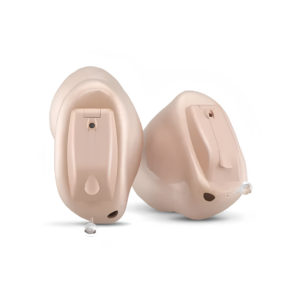
Widex Evoke ITC
Original price was: ₹65,000.00.₹58,500.00Current price is: ₹58,500.00. Add to Cart -
Sale!
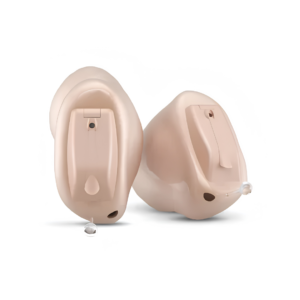
Widex Evoke CIC
Original price was: ₹65,000.00.₹58,500.00Current price is: ₹58,500.00. Add to Cart -
Sale!
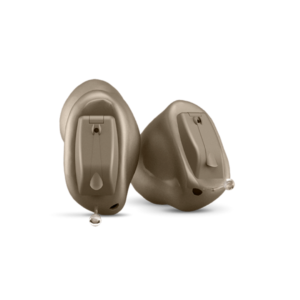
Widex Evoke CIC Micro
Original price was: ₹65,000.00.₹58,500.00Current price is: ₹58,500.00. Add to Cart -
Sale!
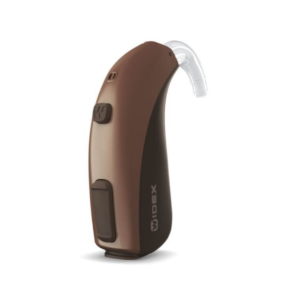
Widex Evoke Power BTE
Original price was: ₹65,000.00.₹58,500.00Current price is: ₹58,500.00. Add to Cart -
Sale!

Signia Motion Charge&Go 1 IX
Original price was: ₹72,990.00.₹65,691.00Current price is: ₹65,691.00. Add to Cart -
Sale!
Signia Styletto 2 IX
Original price was: ₹209,990.00.₹188,991.00Current price is: ₹188,991.00. Add to Cart