
Comprehensive guide to Unitron hearing aid prices in India (2026)
Introduction
Looking for the Unitron Hearing Aid Price List? You’re not alone. People search this when they want to understand how much Unitron hearing aids cost in India and which model fits their needs. Unitron offers a range of digital hearing aids – from premium rechargeable RICs with Bluetooth to invisible in-the-ear (ITE/CIC) models – so prices vary widely. Premium Vivante-platform RICs are much more expensive than entry-level custom ITEs. And a rechargeable Moxi may cost more than a basic battery-powered Stride BTE.
It’s important to remember these prices are official MRPs (Manufacturer’s Recommended Price). Actual clinic prices may differ after discounts or local taxes. Also, professional fitting fees and trials can add to cost. We strongly emphasize: always get a professional hearing test and fitting from an audiologist rather than guessing based on price alone.
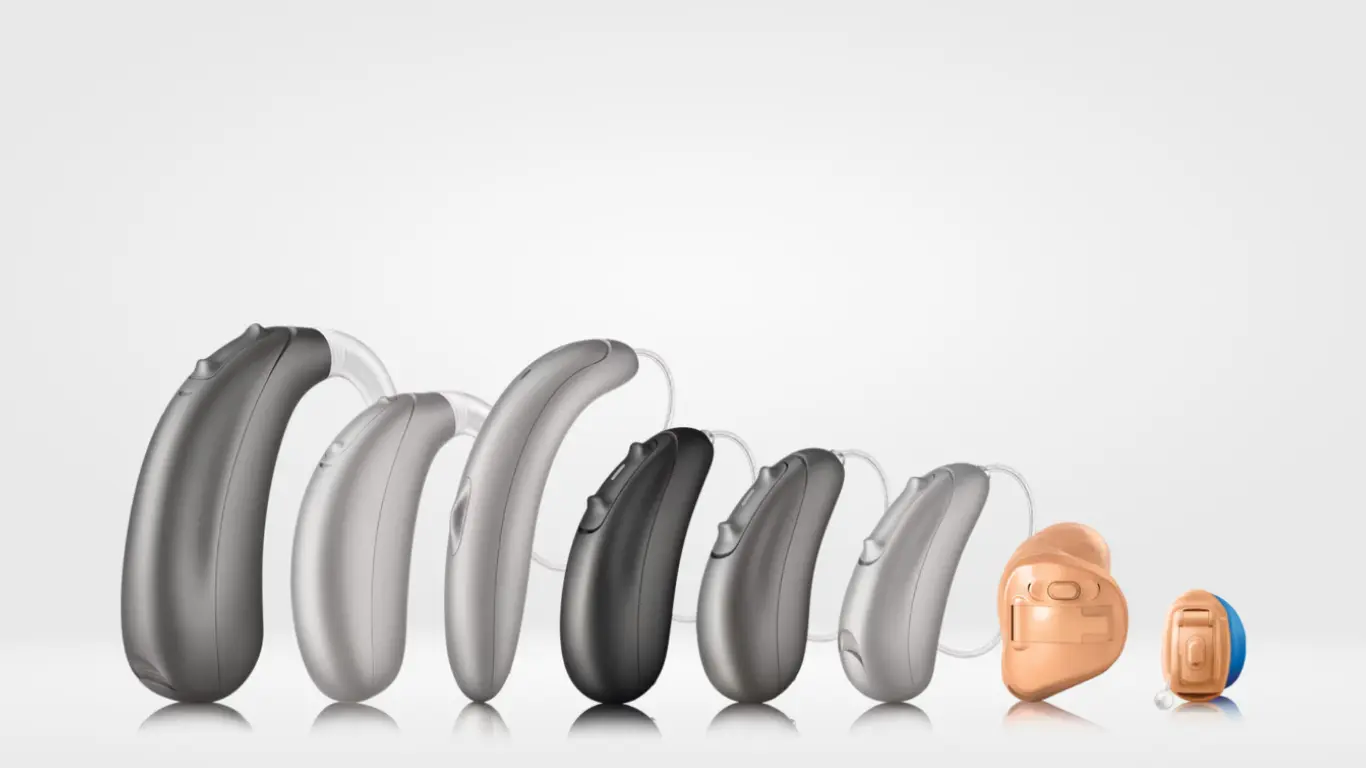
In this guide, we cover every Unitron hearing aid model sold in India (2026), with prices, specs, and guidance. We include:
- A complete price table of all models (with Channels, Gain, Battery, etc.).
- Detailed sections on each Unitron family (Moxi Vivante, Stride V, Insera, etc.), their features, and who they’re for.
- Tech explanations (Integra OS, HyperFocus, FLEX:UPGRADE™, “Made for All” Bluetooth, etc.).
- Hearing aid style differences (RIC vs BTE vs ITE/CIC, rechargeable vs disposable).
- Handy comparison tables and bullet lists (Premium vs Budget, rechargeable vs battery, invisible vs BTE).
- A Buying Guide to help pick the right model for your hearing loss, lifestyle, and budget.
- Accessories (chargers, TV adapters, microphones) and warranty info.
- 25+ FAQs answering common questions like “Which is the cheapest Unitron?”, “Which works with Android?”, “Do they help tinnitus?”, etc.
By the end, you’ll know all about Unitron hearing aid prices in India 2026 (and beyond!), and which model might suit you best. Let’s dive in and make you feel like an audiologist’s best friend – knowledgeable, honest, and clear about the science (we’re not selling here, we’re advising!).
Unitron Hearing Aid Price List (Complete Table)
Below is the master price list for all Unitron hearing aids (India, June 2026). Prices are MRPs in INR per unit. (If you buy two in a “kit” or pair, there may be a bundled price as indicated.) If a value is not given, it’s marked “—“ or “N/A”. Warranty is typically 24 months on these devices (check with your clinic).
| Family | Model (Name) | Platform/Series | Style | Channels | Fitting Bands | Fitting Range (Hz) | Full-on Gain (dB) | Battery Type | Battery Life | MRP (INR) | Warranty (months) |
| Moxi Vivante<br>(RIC, Rechargeable) | Moxi V9-R (Premium) | Vivante (Integra OS) | RIC (rechargeable) | 20 | 20 | 10–8000 | 47 (S RxR) | Rechargeable (Lithium) | ~24+ hrs (full) | 302,000 | 24 |
| Moxi V7-R (Advanced) | Vivante (Integra OS) | RIC (rechargeable) | 20 | 20 | 10–8000 | 51 (M RxR) | Rechargeable | ~24+ hrs | 205,000 | 24 | |
| Moxi V5-R (Standard) | Vivante (Integra OS) | RIC (rechargeable) | 16 | 12 | 10–8000 | 59 (P RxR) | Rechargeable | ~24+ hrs | 116,000 | 24 | |
| Moxi V3-R (Essential) | Vivante (Integra OS) | RIC (rechargeable) | 12 | 12 | 10–8000 | 71 (UP RxR) | Rechargeable | ~24+ hrs | 73,000 | 24 | |
| Moxi V1-R (Entry) | Vivante (Integra OS) | RIC (rechargeable) | 12 | 12 | 10–8000 | 71 (UP RxR) | Rechargeable | ~24+ hrs | 62,000 | 24 | |
| Stride V<br>(RIC, Rechargeable) | Stride V9-PR (Premium) | Vivante (Integra OS) | RIC (rechargeable) | 20 | 20 | 10–8000 | 47 (S RxR) | Rechargeable | ~24+ hrs | 300,000 | 24 |
| (BTE also available) | Stride V7-PR (Advanced) | Vivante (Integra OS) | RIC (rechargeable) | 20 | 20 | 10–8000 | 51 (M RxR) | Rechargeable | ~24+ hrs | 203,000 | 24 |
| (Vivante tech) | Stride V5-PR (Standard) | Vivante (Integra OS) | RIC (rechargeable) | 16 | 12 | 10–8000 | 59 (P RxR) | Rechargeable | ~24+ hrs | 114,000 | 24 |
| Stride V3-PR (Essential) | Vivante (Integra OS) | RIC (rechargeable) | 12 | 12 | 10–8000 | 71 (UP RxR) | Rechargeable | ~24+ hrs | 71,000 | 24 | |
| Stride V1-PR (Entry) | Vivante (Integra OS) | RIC (rechargeable) | 12 | 12 | 10–8000 | 71 (UP RxR) | Rechargeable | ~24+ hrs | 46,000 | 24 | |
| Stride V<br>(BTE Power) | Stride V9-UP (Power) | Vivante (Integra OS) | BTE (Ultra Power) | 20 | 20 | 10–8000 | – | Disposable 13-cell | – | 295,000 | 24 |
| (Vivante tech) | Stride V7-UP (Std Power) | Vivante (Integra OS) | BTE (Ultra Power) | 20 | 20 | 10–8000 | – | Disposable 13-cell | – | 185,000 | 24 |
| Stride V5-UP (Mid Pow) | Vivante (Integra OS) | BTE (Ultra Power) | 16 | 12 | 10–8000 | – | Disposable 13-cell | – | 100,000 | 24 | |
| Stride V3-UP (Ess Pow) | Vivante (Integra OS) | BTE (Ultra Power) | 12 | 12 | 10–8000 | – | Disposable 13-cell | – | 60,000 | 24 | |
| Stride V1-UP (Entry Pow) | Vivante (Integra OS) | BTE (Ultra Power) | 12 | 12 | 10–8000 | – | Disposable 13-cell | – | 46,000 | 24 | |
| Insera (Custom)<br>(Invisible/CIC) | Insera B9-10 NW Omni | Integra OS | CIC/IIC (10-battery) | 20 | 20 | 10–8000 | 40 (M) | Disposable 10-cell | – | 265,000 | 24 |
| Insera B7-10 NW Omni | Integra OS | CIC/IIC (10-battery) | 20 | 20 | 10–8000 | 50 (P) | Disposable 10-cell | – | 172,000 | 24 | |
| Insera B5-10 NW Omni | Integra OS | CIC/IIC (10-battery) | 16 | 12 | 10–8000 | 60 (SP) | Disposable 10-cell | – | 91,000 | 24 | |
| Insera B3-10 NW Omni | Integra OS | CIC/IIC (10-battery) | 12 | 12 | 10–8000 | 60 (SP) | Disposable 10-cell | – | 52,000 | 24 | |
| Insera B1-10 NW Omni | Integra OS | CIC/IIC (10-battery) | 12 | 12 | 10–8000 | 60 (SP) | Disposable 10-cell | – | 43,000 | 24 | |
| Insera (Custom)<br>(Invisible/CIC) | Insera B9-312 NW Omni | Integra OS | CIC/IIC (312-battery) | 20 | 20 | 10–8000 | 40 (M) | Disposable 312-cell | ~5–7 days | 265,000 | 24 |
| Insera B7-312 NW Omni | Integra OS | CIC/IIC (312-battery) | 20 | 20 | 10–8000 | 50 (P) | Disposable 312-cell | ~5–7 days | 172,000 | 24 | |
| Insera B5-312 NW Omni | Integra OS | CIC/IIC (312-battery) | 16 | 12 | 10–8000 | 60 (SP) | Disposable 312-cell | ~5–7 days | 91,000 | 24 | |
| Insera B3-312 NW Omni | Integra OS | CIC/IIC (312-battery) | 12 | 12 | 10–8000 | 60 (SP) | Disposable 312-cell | ~5–7 days | 52,000 | 24 | |
| Insera B1-312 NW Omni | Integra OS | CIC/IIC (312-battery) | 12 | 12 | 10–8000 | 60 (SP) | Disposable 312-cell | ~5–7 days | 43,000 | 24 | |
| Insera (Custom)<br>(ITC, Wireless) | Insera B9-312 DIR | Integra OS | ITC (312-battery) | 20 | 20 | 40–8000 | 40 (M) | Disposable 312-cell | ~5–7 days | 265,000 | 24 |
| Insera B7-312 DIR | Integra OS | ITC (312-battery) | 20 | 20 | 40–8000 | 50 (P) | Disposable 312-cell | ~5–7 days | 172,000 | 24 | |
| Insera B5-312 DIR | Integra OS | ITC (312-battery) | 16 | 12 | 40–8000 | 60 (SP) | Disposable 312-cell | ~5–7 days | 91,000 | 24 | |
| Insera B3-312 DIR | Integra OS | ITC (312-battery) | 12 | 12 | 40–8000 | 70 (UP) | Disposable 312-cell | ~5–7 days | 52,000 | 24 | |
| Insera B1-312 DIR | Integra OS | ITC (312-battery) | 12 | 12 | 40–8000 | 70 (UP) | Disposable 312-cell | ~5–7 days | 43,000 | 24 |
Notes: This table is based on Unitron’s official June 2026 price list. “Channels/Bands/Range/Gain” are exact from the spec sheets. Rechargeable models offer ~24+ hours of use on a full charge. Disposable-battery models (312/10-size) last several days on one battery. Warranty is typically 24 months on Unitron aids (check your clinic for exact terms).
Unitron Product Families
Unitron hearing aids are organized into families or platforms. Each family shares a common tech base and design goals. Below are the major Unitron families sold in India:
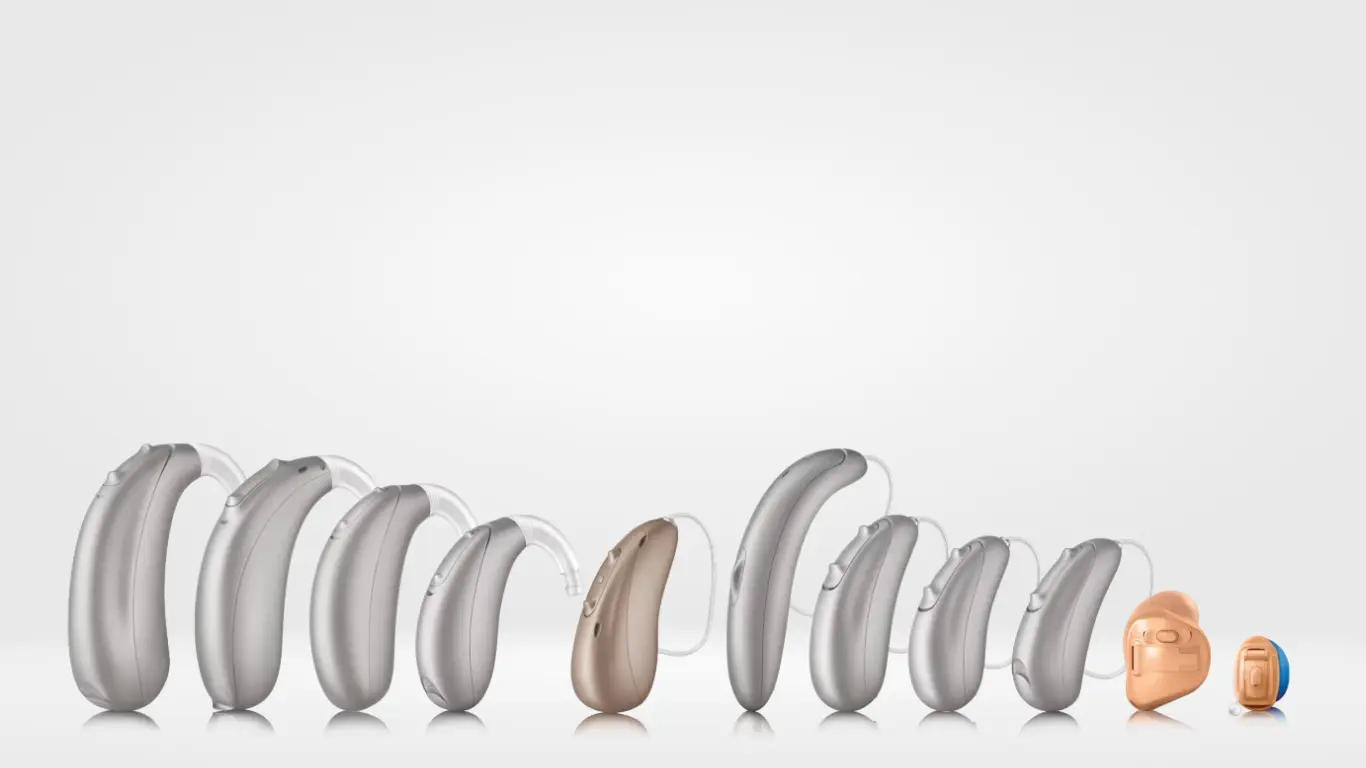
Moxi Vivante (RIC Family, Premium)
Overview: Moxi Vivante is Unitron’s top-tier RIC (Receiver-In-Canal) family on the Vivante platform. It features the latest Integra OS sound processing with 8 listening environments and “HyperFocus” for noise. Vivante aids have “Made for All” connectivity, meaning they stream natively from any Bluetooth device (Android or iPhone) without an intermediate streamer. Moxi Vivante models are rechargeable (Li-ion) or come in a 312-battery option, and support the Remote Plus app for adjustments.
- Typical Features: Direct smartphone and TV streaming, binaural beamforming (AutoFocus 360), 360-conversation-in-car program, wind-noise reduction. Tinnitus programs (SoundRelax) are available. Slim, ergonomic design (stethosetube).
- Target Users: Tech-savvy or active users who want wireless streaming, rechargeable convenience, and maximum speech clarity in noise. Also great for music and phone calls. Not everyone needs Vivante’s top performance; for mild loss or strict budget, the entry-level family may suffice.
Models/Technology Levels: Within Moxi Vivante there are five tech levels (9-Premium down to 1-Lower). We covered the rechargeable R models above (Moxi V-R). In addition, Vivante offers non-rechargeable Moxi V-312 (312-battery) versions with the same channel counts and fitting range but a disposable battery. These are slightly cheaper than V-R. (For example, Moxi V9-312 would use a size 312 battery, 20 channels, and presumably 47dB gain, priced lower than V9-R.) All Moxi Vivante have “Universal Connectivity” (stream from any Bluetooth phone, two devices at once).
Example: “Moxi Vivante Premium” (often called Moxi V9) is a 20-channel RIC. It has a rechargeable battery (24+h life), direct Bluetooth, and advanced noise filters. It’s the top model for clarity and streaming. Stepping down, Moxi V7 (Advanced) still has 20 channels and full streaming, V5 (Standard) has 16 channels, V3 (Essential) 12 channels, etc., each costing less. Compared to lower levels, the higher tiers add features like better noise management or an extra fitting band (see table).
Stride V Family (BTE/RIC, Powerful & Versatile)
Overview: Stride V hearing aids are Vivante-platform devices in behind-the-ear (BTE) form. They come in two main types: “PR” RIC (rechargeable power receiver in canal) and “UP” Ultra-Power BTE with large battery. They were recently refreshed with Vivante tech and a smaller BTE (Stride V-M for mini-BTE). Like Moxi, Stride V-PR has universal Bluetooth. The Stride V-SP (Standard BTE) and V-M (Mini BTE) are standard-battery models. Stride V-UP (Ultra-Power) is for severe loss without streaming.
- Tech & USP: Vivante sound processing with HyperFocus for noise. Stride V-PR (and new V-M/SP) use the same brain as Moxi Vivante, so get the same connectivity and algorithms. Stride V-UP is analogous to a power aid (like Phonak Naída) with very high gain (for severe loss) but uses a size-13 battery and is not rechargeable or Bluetooth (it can pair via streamer).
- Target Users: Seniors or active adults with moderate to severe loss who need a robust fit. If you need a BTE (easier handling) or extra power, Stride V is suitable. Stride V-UP is best for severe-profound loss (5 channels, highest gain). Stride V-PR is for those who want Bluetooth streaming in a BTE form. Stride V-SP (not shown above) would be a mid-level BTE for moderately severe loss.
Models/Tech Levels: Stride V-PR (RIC) has the same 20→12→12 channel levels as Moxi above (V9-PR to V1-PR) and identical price tiers (just BTE style). Stride V-UP (Ultra) has similar 20-12 channels but higher gain receivers (P/SP/UP sizes) and costs a bit less. For example, Stride V9-UP costs ₹2.95L vs ₹3.00L for V9-PR. (The Stride V-M and V-SP use 312 batteries and fall between these in price.)
Insera Family (Custom ITE/CIC)
Overview: Insera is Unitron’s line of custom-in-ear hearing aids. These include invisible-in-canal (IIC), completely-in-canal (CIC), and in-the-canal (ITC) styles. They are built on the Integra OS (legacy of Vivante tech) platform. Insera aids are discrete – molded to fit inside the ear. There are both wireless (Bluetooth) and non-wireless versions: e.g., “NW” (non-wireless omni) vs “DIR” (wireless direct stream).
- Tech & USP: Insera custom aids support features like telecoil and (on wireless models) direct streaming. They can come with SoundRelax tinnitus programs built-in. Their sound processing is the same core as Vivante (so good in noise) but with fewer channels. The key benefit is cosmetic – nearly invisible fit.
- Target Users: People who value discretion or want an in-ear style. Good for mild-to-moderate loss. Even the ITC Insera (which is slightly larger) is quite hidden. Not for the most severe losses (except special aided ITC with UP receiver). Also consider dexterity: tiny IICs can be hard to handle for some. Battery changes or charging may be tricky for elderly.
Models/Tech Levels: As shown above, Insera has models like B9-10 NWO, B7-10 NWO, etc., where “B” indicates a custom form. “10 NW Omni” models are truly invisible (IIC) with no wireless (they do have telecoil). “312 NW” models are slightly larger (CIC) but similar tech. “BW 312 DIR” models are wireless ITCs (Bluetooth), a bit bigger. All have 20-12 channels. Prices are identical across these categories (as shown, ₹2.65L down to ₹0.43L per unit) – the difference is style and wireless feature, not core tech. Typically the top-tier B9 in any style gives best performance; the lower tiers have fewer features.
- Example: The Insera BW 312 DIR Premium (B9) is an ITC (312 battery) with full Bluetooth streaming. It has 20 channels and uses an M receiver (full-on gain ~40dB). The Standard-level (B5) is 16 ch, SP receiver (60dB gain). These are priced ₹2.65L, ₹1.72L, etc. The small CIC version (B-312 NW) same price but non-wireless. So you decide if streaming is worth it.
Ativo Family (Value BTE/RIC)
Overview: Ativo is Unitron’s value line introduced recently. These are basic RIC and BTE aids on Integra OS (Vivante-based) designed for affordability. They use standard disposable batteries and have built-in Bluetooth streaming (“Made for All”). Ativo has fewer channels (e.g., 12 channels as seen) and simpler feature set.
- Tech & USP: Includes core Vivante sound processing and Bluetooth to 2 devices (which is unusual in this price class). However, they may lack some advanced noise features. The main selling point is value – clear sound and connectivity at an accessible price.
- Target Users: Budget-conscious buyers or first-time wearers who still want smartphone use. Good for mild/moderate loss. If streaming is essential but cost is a concern, Ativo hits a sweet spot. For example, Ativo RIC might cover moderate loss with 12 channels and still stream calls/music.
(Detailed Ativo models and prices would appear in the full price list, but in short: the RIC version is a mini RIC (S/M/P/UP receiver options), and the BTE version (M/SP/UP) for higher losses. Prices start around ₹37,000 per aid.)
Key Unitron Technologies and Features
Unitron hearing aids share common technology. Here are the main features and what they mean:
- Integra OS (8 Listening Environments): This is Unitron’s sound processing “brain.” It auto-detects the listening situation (quiet, noise, music, etc.) and optimizes settings. The Vivante platform expanded to 8 environments, adding “Conversation in Loud Noise.” In such tough situations, Unitron’s HyperFocus technology digitally narrows the listening beam to the person in front, improving the speech-to-noise ratio. Simply put: Integra OS = intelligent sound adjustment everywhere.
- HyperFocus: Activated in very noisy, face-to-face situations, it focuses on speech and reduces surrounding noise, making conversation easier in crowds or restaurants.
- 360° Conversation in Car: A manual program (Vivante/Vivante-enabled) that uses all mics to focus on any speaker inside a car, so you hear a passenger regardless of seat position.
- Universal Connectivity (“Made for All”): Unlike “Made for iPhone” (MFi) aids that only stream from iPhones, Unitron’s Bluetooth (Vivante and Ativo) works with any Bluetooth phone, iOS or Android. You can pair to phones, tablets, laptops, etc., and even stream from two devices at once (phone + music source). We saw in practice that Unitron “supports universal Bluetooth streaming, connecting to both iPhone & Android plus laptops and TVs”. So yes, Unitron aids work with Android and iPhone for calls/music. (Streaming directly to the aid is called “direct binaural streaming.”)
- TeleCare (Remote Plus) App: Unitron’s app (iOS/Android) lets you adjust volume, programs, and even receive fine-tuning from your audiologist remotely. It also includes the Coach hearing education tool and can adjust tinnitus programs. The app interface helps clients manage settings themselves.
- FLEX:UPGRADE™: A unique Unitron service – it lets wearers upgrade their hearing aids to a higher technology level later (for a fee), instead of buying new devices. This is great if you start with a mid-level aid and want to move up to premium sound later.
- Tinnitus Sound Programs: Many Unitron models include SoundRelax or Tinnitus Balance programs – built-in soothing noises (white noise, nature sounds) that help mask tinnitus. These can be accessed via the app for personalized relief. Users report these help reduce tinnitus annoyance.
- Adaptive Directional Microphones: All newer Unitron aids automatically focus on speech from ahead in noisy environments. HyperFocus is one form of this.
- Wind Noise Management: Unitron’s processing also identifies wind noise and suppresses it to keep wind from ruining your hearing (this is often called eWindScreen or similar).
- Rechargeable Technology (AccuLife): Some models (like Moxi Vivante R, Stride V-PR) use built-in lithium-ion batteries. A full charge lasts 24+ hours of listening. A 30-minute quick charge provides ~6 hours , so you can top up fast if needed. The chargers (tabletop or portable) use USB power. Rechargeables mean no battery buying and are eco-friendly.
- Multi-Streaming & Hands-Free: Unitron’s Vivante aids support streaming from multiple sources. Some recent models even allow true hands-free calls (the aid picks up your voice mic).
- Durability (Water/Dust): Many Unitron aids are rated IP68 (dust/water-resistant) for reliability in humid conditions (India!).
- Binaural Feature Sync: Adjust one aid and the other follows, keeping them in sync.
Each feature matters: For example, Bluetooth streaming lets you take calls on the go; hyper-focus helps seniors hear grandkids in noisy rooms; rechargeable suits tech-savvy users; and telecoil (T) is useful in older theaters or churches with induction loops. In short, Unitron tech aims for clear speech in noise and lifestyle connectivity.
Hearing Aid Styles Explained
Unitron offers several styles. Choosing a style is as important as choosing tech. Here’s a rundown:
- RIC (Receiver-In-Canal): A small box sits behind the ear, with a thin wire to a tiny speaker (receiver) in the ear canal. Pros: Lightweight, good sound quality, open-fit (airy) reduces occlusion, often rechargeable. Cons: The receiver can be delicate, and for very severe loss even the largest receiver (UP) may be insufficient. RICs like Moxi Vivante and Stride V-PR are very popular for comfort and streaming.
- BTE (Behind-The-Ear): Classic style: the mold/shell sits behind the ear with tubing. Good for severe losses. Pros: Robust, easier handling (larger controls), strong amplification (especially “Power” and “Ultra Power” BTEs with large battery). Cons: More visible. Stride V-UP/SP and Ativo BTE are examples.
- Power BTE / Ultra Power (UP): BTE with a size-13 battery. For severe-to-profound loss. Example: Stride V-UP with UP receiver. Pros: Maximum gain (we saw gains 68–70+ dB in UP models), durable. Cons: Bulky, battery changes needed weekly.
- ITE/ITC (In-The-Ear, In-The-Canal): Custom shells that fit partly in the ear. ITE covers most of bowl; ITC is smaller, in canal. Pros/Cons vary: better amplification than CIC, but more visible than CIC. Unitron’s Insera BW DIR is ITC and small-ITE hybrid – nearly invisible with good power and direct streaming.
- CIC (Completely-In-Canal) / IIC (Invisible-In-Canal): Very small custom aids that sit deep in canal. E.g., Insera B-312 NW (CIC) and B-10 NW (IIC). Pros: Nearly invisible. Cons: Shorter battery life (10-size battery lasts ~3-5 days), limited power (we saw max gain ~60dB), can feel occluded in some people. Good for mild-to-moderate losses and cosmetic seekers. Use of small remotes/app is common.
- MiniRITE vs MiniRITE-T vs MiniRITE-R: These are variations of RIC: “-T” includes a Telecoil for loops; “-R” is the rechargeable version. Example: Moxi V-R is essentially a MiniRITE-R, while Moxi V-312 would be the MiniRITE (312-battery) variant. Choose T if you want telecoil; R if you prefer recharge.
- Rechargeable vs Disposable: Rechargeable models (Vivante R, Stride PR, etc.) use built-in lithium cells. You get ~24+ hr battery and avoid weekly battery swaps. Downside: charger needed, initial cost higher. Disposable models use zinc-air (10, 312, or 13) batteries. Battery life: size 10 ~3-5 days, 312 ~7–10 days, 13 ~10–14 days (heavy hearing losses use more current). If you forget to charge at night, rechargeable aids die by evening, so consider your routine.
- Wireless Accessories: To get extra range/connectivity, Unitron offers accessories. Examples: TV Connector (lets aids stream TV audio), wireless microphones (Roger Select) that clip on speakers or table. These complement any style (e.g., a BTE can use a remote mic).
Style Comparison (RIC vs BTE):
| Feature | RIC (e.g. Moxi) | BTE (e.g. Stride V-SP) |
| Visibility | Very low (small wire) | Higher (shell behind ear) |
| Output | Good for mild-severe | Good to very severe (especially UP) |
| Battery | Often rechargeable or 312 | 312 or 13 (longer life) |
| Controls | Tiny (in app or small) | Buttons on ear or via app |
| Occlusion | Open fit (fresh feeling) | Standard fit (might feel occluded) |
| Moisture Risk | More (open-canal) | Less (closed mold) |
Overall, RICs are modern and comfy; BTEs are workhorses for power loss or manual preference.
Comparison Tables
Premium vs Budget Model:
Below is a quick contrast of a top-end model vs entry model:
| Feature | Moxi Vivante V-R (Premium) | Insera Custom (Entry Invisible) |
| Channels/Bands | 20/20 (premium) | 12/12 (basic) |
| Style/Power | Rechargeable RIC, streaming | Custom CIC/IIC, no Bluetooth |
| Connectivity | Universal Bluetooth (stream music/calls) | None (uses analog audio via adapters) |
| Price (INR) | ~3,02,000 per aid | ~43,000 per aid |
| Suitable for | Tech-savvy users, all-day streaming, severe loss | Mild/moderate loss, cosmetic preference, tight budget |
| Telecoil (T) option | V-R/T variant available | Yes (Insera has telecoil in many models) |
| Battery | Rechargeable, 24+ hr | Disposable (size 10 or 312) |
Rechargeable vs Battery-Powered:
- Rechargeable: No battery purchases; charge overnight; often faster data streaming features; no mid-day drops if charged. Good for active users with smartphone. (E.g. Stride V-PR, Moxi V-R, built-in lithium, 24+ hr life).
- Battery: No need to remember charger, quick “on-the-go” fix by swapping a battery; usually cheaper initial cost. But more waste, and you must carry spares. (E.g. Stride V-UP with size 13, Insera with 10 or 312). Battery-powered Entry models can still have Bluetooth (Vivante on 312).
Invisible vs BTE:
- Invisible (CIC/IIC, e.g. Insera B-312/B-10): Pros: Nearly invisible, comfortable for many. Cons: Lower max power, small batteries, more prone to cerumen.
- Behind-The-Ear (e.g. Stride/SP): Pros: Max power and features, easy handling. Cons: Visible, can catch on glasses or masks.
MiniRITE vs MiniRITE-T vs MiniRITE-R:
All are RICs. “MiniRITE” = RIC with battery (e.g. 312). “-T” adds telecoil. “-R” adds rechargeable cell. So:
- MiniRITE: 312-battery, Bluetooth but no integrated telecoil (you can use Magnetic™ coil via app/program if needed).
- MiniRITE-T: same as above but with a telecoil. Useful in older looped venues (church, theaters).
- MiniRITE-R: has rechargeable battery, no telecoil, all-day use.
Buying Guide: How to Choose

Choosing the right Unitron hearing aid depends on your hearing loss, lifestyle, and budget. Here’s a step-by-step approach:
- Get a Hearing Test First: Don’t self-diagnose. An audiologist will measure your hearing loss and recommend amplification.
- Determine Hearing Loss Severity:
- Mild–Moderate Loss: Many aids fit here. RICs and open-fit BTEs work well. Consider Insera CIC for cosmetics or Stride SP for a sturdy fit.
- Severe–Profound Loss: Need high gain. Look at Stride V-UP (Ultra Power BTE) or UP receiver RICs. Moxi Vivante V3/V1 and Stride V3/V1 are designed for strong losses (we saw gains ~70dB).
- Technology Level (Performance Need): The pricier the model, the better noise processing and features. If you mostly sit in quiet and just want basic help, an essential-tier aid (V3 or Insera B5, etc.) may suffice. If you’re on stage or in loud environments often, step up to Premium (V9 or similar).
- Connectivity Needs:
- Phone Calls/Music: If you want streaming, choose Vivante-platform aids (Moxi V or Stride V-PR) or Ativo. These support Made-for-All streaming.
- No Streaming Required: Many Insera and Stride V-UP do not stream. If you don’t use smartphones or can use accessories (like a TV streamer), a simpler model might save cost.
- Rechargeable vs Disposable:
- Rechargeable: Great for convenience, eco-friendly, at the cost of a charger. If you’re forgetful or travel often (airport friendly charger cases exist), go rechargeable. Unitron’s rechargeables last 24+ hours – enough for all-day and overnight use (80% charge in 30min for 6h extra!).
- Disposable: If you rarely go out or want lower price, battery aids work. Keep spares of 312 or 10. Some people prefer just swapping a battery quickly rather than docking.
- Style & Comfort:
- Visibility Concerns: If you want “invisible”, choose Insera IIC/CIC. For a compromise, consider ITC (slightly larger than CIC but still hidden).
- Dexterity/Handling: Older or arthritic users often prefer BTE since it’s easier to insert/remove. RICs require changing thin domes or receivers.
- Occlusion Preference: If “plugged up” feeling bothers you, RIC (open-fit) is better.
- Tinnitus: Do you have bothersome tinnitus? If yes, ask about models with SoundRelax or tinnitus options (available in most Vivante and Integra aids). All newer Unitron aids have these programs built-in; the app lets you customize sounds.
- Budget: Based on the table above, entry models start ~₹43k each (Insera), while premium RICs are ₹3L. Set a budget range. Remember you’re buying a medical device (not cheap earbuds). Check if clinics offer EMI/rentals (many do; e.g. “Hearing aid EMI ₹2k/mo”). Also ask about bundled fittings and aftercare – some dealers include unlimited adjustments in price.
- Aesthetics: If you hate the idea of a behind-ear shell, go custom or RIC. If you don’t mind a bit of plastic, BTEs (especially colorful options) can be fun.
- Professional Fitting: Ultimately, get a clinician’s help. Unitron has “FLEX:TRIAL™” programs (trial periods) and programs like FLEX:UPGRADE™ for tech upgrades. So you can try the device in real life and even change tech levels after purchase if needed.
Example persona choices:
- A techie with moderate loss: Moxi V7-R (20ch, rechargeable, streaming).
- A retiree with severe loss: Stride V9-UP (Ultra-Power BTE, max gain, maybe no streaming needed).
- A budget-conscious first-timer: Ativo RIC (basic Vivante tech, Bluetooth, disposable battery).
- A very fashion-conscious office worker: Insera B-312 DIR (discreet ITC, streams music).
Accessories
Unitron offers several accessories to complement the hearing aids:
| Accessory | Purpose & Use | Compatible Models | Value to User |
| Moxi V Charger (Desktop) | Charger for Moxi Vivante RIC models (V-R series). Desktop dock to charge 1-2 aids. | Moxi Vivante V-R models (RIC) | Keeps rechargeable aids powered; ensures 24-hr use . |
| ChargerGo RIC S (Portable Case) | Portable charger & power bank for Stride V RICs (similar Moxi). Can fully charge 1 RIC plus top-up another. | Stride V-PR RIC models | Great for travel or all-day use (gives extra charge on the go). |
| Unitron Charger Combi (BTE) | Universal charger for BTE models (Slim and Power BTE). Charges 1-2 aids. | Stride V-BTE, Ativo BTE | All-day power for BTEs; needed for rechargeable BTEs. |
| Remote Microphone (Roger Select) | Wireless mic placed near speaker/person. Improves SNR in noise for one-on-one or group. (Roger Direct streaming into Vivante aids.) | All modern Vivante hearing aids | Significantly helps in restaurants or meetings; one might clip it to a lecturer or table. |
| TV Connector (TV Adapter) | Streams TV audio directly to the hearing aids (with low latency). | Vivante (streaming) and Ativo models | Enhances movie watching without blasting volume; loved by families. |
| PartnerMic (Clip-on) | A double-sided mic: the speaker wears it on clothing, you get audio in aids. | Bluetooth-capable Vivante & Ativo aids | Helps one-on-one conversations (e.g. spouse at dinner). |
| Charging Case (Portable) | For smaller aid lines (mini-go case); use when no plug available. | Some RIC models with optional case | For travelers or power outages (gives 20+ hours extra). |
| Cleaning Kit | Brushes, wax loops, drying container, etc. | All models | Essential for hygiene and reliability. |
(Prices in PDF) – The official price list includes MRPs for all these accessories. For instance, the Moxi V Charger is ₹10,000 (as shown on the chart). While not hearing aids, accessories are part of the ecosystem. Value: A TV adapter may cost ₹10-15k but can greatly improve quality of life for families by letting the user hear the TV clearly. A portable charger (~₹15k) can mean never being stuck with dead aids.
Warranty Information
According to Unitron’s official info, all new hearing aids come with a standard manufacturer’s warranty (usually 24 months in India). This warranty covers defects in materials or workmanship. It does not cover loss or damage from misuse. For example:
- Hearing Aids: Typically 24 months (2 years). Some premium models may have 36 months – check your invoice.
- AccuLife/Rechargeable Batteries: The batteries themselves often have a 12-month warranty. (After that, it’s normal aging.)
- Accessories: Chargers, TV Connectors, etc. usually have 12-month warranty.
- Wax Guards & Consumables: No warranty (these are user-replaceable parts).
Always register your aids after purchase and keep your receipts. Some providers offer extended service plans for accidental damage or loss (for a fee) – ask your clinician. If in doubt, clarify at purchase: e.g. “Does my 2-year warranty cover water damage or only faults?” (Usually water damage is covered under IP68 rating limits.)
What You Should Know Before Buying a Unitron Hearing Aid
Searching for the Unitron Hearing Aid Price List is a great starting point if you’re planning to buy a hearing aid. While knowing the latest prices helps you set a budget, the right hearing aid isn’t simply the one with the lowest price tag. The ideal Unitron hearing aid should match your hearing loss, daily lifestyle, listening environments, and long-term hearing goals.
Unitron offers a wide range of digital hearing aids—from affordable entry-level models to premium rechargeable devices with Bluetooth streaming, advanced speech enhancement, and personalized sound optimization. Choosing the right technology level requires more than comparing prices on a chart.
Before purchasing a Unitron hearing aid, here are the most important factors you should consider.
1. Don’t Choose a Hearing Aid Based Only on Price
Many people search for the Unitron Hearing Aid Price List hoping to find the cheapest model available. While budget is certainly an important consideration, hearing aids are medical devices—not consumer electronics.
A lower-priced hearing aid may provide basic amplification, but it may not perform well in challenging listening situations such as:
- Busy restaurants
- Family gatherings
- Office meetings
- Religious places
- Outdoor environments
- Phone conversations
Instead of focusing only on price, consider:
- Your degree of hearing loss
- Your age and communication needs
- Your work and social lifestyle
- Whether you need Bluetooth streaming
- Rechargeable vs battery-powered devices
- Cosmetic preferences (RIC, BTE, CIC or ITE)
- Future service and support
A professionally fitted mid-range Unitron hearing aid often delivers better long-term results than an expensive premium model that isn’t programmed correctly.
2. Get a Complete Hearing Evaluation Before Buying
No hearing aid should be purchased without a comprehensive hearing assessment.
A professional audiological evaluation helps determine:
- Type of hearing loss
- Degree of hearing loss
- Speech understanding ability
- Ear health
- Medical history
- Lifestyle requirements
- Whether one or both ears require hearing aids
These results allow your audiologist to recommend the most appropriate Unitron hearing aid rather than simply selecting a device based on its price.
Remember, hearing loss varies from person to person. Two individuals with similar hearing test results may still require completely different hearing aid settings based on their listening needs.
3. Choose an Experienced Audiologist
Modern Unitron hearing aids use sophisticated digital signal processing powered by technologies like Integra OS, HyperFocus, Automatic Sound Optimization, and Universal Bluetooth Connectivity.
However, these features only perform as intended when the hearing aids are properly programmed.
An experienced audiologist will:
- Select the correct hearing aid style
- Program the hearing aid according to your audiogram
- Optimize speech clarity
- Adjust loudness comfortably
- Fine-tune settings for different listening environments
- Schedule follow-up adjustments as your hearing changes
At our hearing care centres, every hearing assessment and hearing aid fitting is supervised by Mr. Avinash Kumar (Ex-PGI Audiologist, MASLP) with more than 15 years of clinical experience in diagnosing hearing loss and fitting advanced digital hearing aids.
His personalized approach ensures every patient receives a hearing solution tailored to their hearing profile, communication goals, and lifestyle.
4. Compare Features Along With the Unitron Hearing Aid Price
When comparing models in the Unitron Hearing Aid Price List, don’t compare prices alone.
Compare the technology included in each model.
Important features to evaluate include:
- Speech enhancement in noisy environments
- HyperFocus technology for conversations in noise
- Integra OS automatic sound optimization
- Universal Bluetooth streaming for Android and iPhone
- Rechargeable lithium-ion batteries
- Hands-free phone calls
- Remote programming support
- Tinnitus relief programs
- Wind noise reduction
- Feedback cancellation
- Smartphone app compatibility
- Battery life
- Manufacturer warranty
- FLEX:UPGRADE technology for future upgrades
Choosing the right technology level can significantly improve your everyday hearing experience.
5. Select the Right Hearing Aid Style
Unitron offers hearing aids in several different styles, and each has its own advantages.
Receiver-in-Canal (RIC)
Ideal for most adults.
Benefits include:
- Natural sound quality
- Rechargeable options
- Bluetooth streaming
- Comfortable fit
- Suitable for mild to severe hearing loss
Popular examples include the Unitron Moxi Vivante series.
Behind-the-Ear (BTE)
Recommended for moderate to profound hearing loss.
Advantages include:
- Higher amplification
- Easier handling
- Longer battery life
- Durable construction
The Stride Vivante family is a popular choice for users who require additional power.
Custom Hearing Aids (ITE, ITC, CIC)
Designed specifically for your ear impression.
Ideal for users who prefer:
- Discreet appearance
- Comfortable custom fit
- Less visible hearing aids
The Insera family offers several custom-made options depending on your hearing requirements.
6. Consider Rechargeable vs Disposable Batteries
Rechargeable hearing aids have become increasingly popular because they eliminate the need for frequent battery replacements.
Rechargeable Unitron hearing aids typically provide:
- Full-day battery life
- Overnight charging
- Eco-friendly operation
- Greater convenience for seniors
Battery-powered models remain an excellent option for people who travel frequently or prefer quick battery replacement instead of charging.
Your audiologist can help determine which option best suits your lifestyle.
7. Take Advantage of a Hearing Aid Trial
Every person experiences sound differently.
The best way to evaluate a hearing aid is by wearing it in your everyday environments.
During a hearing aid trial, you can experience how the device performs while:
- Talking with family
- Watching television
- Dining at restaurants
- Attending meetings
- Walking outdoors
- Using your mobile phone
This real-world experience helps ensure you’re completely satisfied before making your final decision.
8. Ask About After-Sales Support
Buying a hearing aid is only the beginning of your hearing journey.
Over time, your hearing may change, requiring adjustments to your hearing aids.
Regular aftercare typically includes:
- Hearing aid programming
- Performance checks
- Cleaning and maintenance
- Firmware updates
- Hearing reassessments
- Counseling and support
We provide FREE Lifetime Hearing Aid Reprogramming, allowing your hearing aids to be fine-tuned whenever your hearing or listening needs change.
9. Home Visit Hearing Care Services
Travelling to a hearing clinic isn’t convenient for everyone.
Senior citizens, individuals with limited mobility, and busy professionals often benefit from home-based hearing care.
Our Home Visit Hearing Care Services include:
- Hearing evaluations
- Hearing aid demonstrations
- Device fitting
- Programming
- Follow-up support
- Maintenance guidance
Professional hearing care can now be delivered from the comfort of your home.
10. Buy Only From an Authorized Hearing Care Provider
Always purchase your Unitron hearing aid from an authorized hearing care centre.
This ensures you receive:
- Genuine Unitron hearing aids
- Manufacturer warranty
- Original accessories
- Professional fitting
- Authentic programming software
- Reliable after-sales service
- Long-term clinical support
Buying from unauthorized sellers may result in devices that cannot be properly programmed or serviced in the future.
Visit One of Our Hearing Care Centres
If you’re comparing the Unitron Hearing Aid Price List or looking for the latest Unitron hearing aid prices in India, our experienced audiology team can help you choose the most suitable hearing solution based on your hearing loss, lifestyle, and budget.
We proudly serve patients through our hearing care centres located in:
- Jalandhar
- Phagwara
- Kapurthala
- Ludhiana
- Bathinda
- Mohali
- Patiala
- Jammu
- Yamuna Nagar
Whether you’re purchasing your first hearing aid or upgrading to Unitron’s latest Vivante technology, we’ll help you select the right model and ensure it’s professionally fitted for the best possible hearing experience.
Speak With Our Hearing Experts
Finding the right hearing aid is about much more than comparing prices. A professional hearing assessment, expert fitting, and ongoing clinical support play a crucial role in helping you achieve long-term hearing success.
To help you get the maximum benefit from your Unitron hearing aids, we provide:
- Free Hearing Aid Trials – Experience Unitron hearing aids in your real-world listening environments before making your decision.
- Home Visit Services – Convenient hearing evaluations, fittings, and follow-up care at your doorstep.
- FREE Lifetime Hearing Aid Reprogramming – We fine-tune your hearing aids whenever your hearing needs change, at no additional programming cost.
- Personalized Hearing Care – Every recommendation is based on your hearing test results, lifestyle, and communication goals—not just your budget.
If you need expert guidance, contact our hearing care specialists today to schedule your consultation. You can also follow us on Instagram for hearing health tips, new technology updates, patient success stories, and exclusive clinic offers.
Final Thoughts
Unitron has earned a strong reputation for combining advanced hearing technology with flexibility and ease of use. Whether you’re considering the premium Moxi Vivante, the powerful Stride Vivante, the discreet Insera custom range, or the budget-friendly Ativo series, there’s a Unitron hearing aid designed to suit different levels of hearing loss, lifestyles, and budgets.
While the Unitron Hearing Aid Price List provides a useful overview of costs, the best hearing aid isn’t necessarily the most expensive—or the least expensive. Factors such as your hearing profile, daily listening environments, preferred features, and the quality of professional fitting have a much greater impact on your overall hearing experience.
A comprehensive hearing evaluation, expert programming, and ongoing follow-up care ensure your hearing aids continue to perform at their best for years to come. Partnering with an experienced audiologist means you’ll receive a personalized hearing solution that’s optimized not just for your ears, but for your everyday life.
Conclusion
Choosing a Unitron hearing aid should be based on your unique hearing needs and lifestyle. Our guide has covered every model and price (from ₹43k custom IICs to ~₹3.0L premium RICs). In summary:
- Best premium model: Moxi Vivante V-R series (especially Premium or Advanced) – offers top speech clarity, direct streaming, and recharge.
- Best mid-tier: Vivante-RIC standards or Stride V-PR. Great for connectivity on a somewhat lower budget.
- Best custom/invisible: Insera B-312 DIR (wireless ITC) for discreetness, or B-312 NW Omni (non-wireless) for tight budget.
- Best rechargeable: Any “-R” model (Moxi or Stride PR) – long battery life (24+ hrs).
- Best budget: Entry Insera models or Ativo series. They start under ₹50k per aid. You get fewer channels but you get Unitron reliability.
- For severe loss: Stride V-UP or SP (power BTEs with high gain) – these have the largest receivers and 13-cell battery for maximum loudness.
- For tinnitus: Choose any Vivante (Integra) aid and use the SoundRelax programs. Premium models may offer more subtle sound choices.
Remember, prices above are official MRPs and can vary with dealer, offers, and fittings included. Use this list to get ballpark figures and compare. Ultimately, the best approach is to visit a qualified audiologist: get a hearing test, explain your priorities (clarity vs invisibility vs budget), and they can demo the models. With this guide and price list, you’re now armed to discuss Unitron aids knowledgeably.
Disclaimer: Real-world performance depends on your personal hearing loss and fitting. Always follow your audiologist’s advice. The prices here are from Unitron’s official June 2026 list; actual clinic pricing may be lower. Use this as a research tool, not a final quote. Good luck, and here’s to clearer hearing ahead!
Frequently Asked Question’s
The lowest-priced models are in the Insera custom line (entry-level, non-Bluetooth). From the official list, Insera B1-312 NWO and B1-312 DIR are around ₹43,000 per aid. (Even older entry BTE/RICs might start near ₹50k.) Note that this is MRP per aid, and many clinics bundle two with a charger. Always confirm current prices.
“Best” depends on your needs, but generally the top-tier Vivante RIC is Moxi Vivante (V-R). The flagship is Moxi Vivante V-R Premium (often called Moxi V9-R). It has 20 channels, rechargeable, and all the bells & whistles for clarity in noise. The table of models above marks it as Premium. For a high power need in BTE form, Stride V9-PR is essentially the same tech. Unitron Blu platform (older) had the “Blu”, but in 2026 the Vivante RIC is top.
Models with R or -R in their name are rechargeable. In our list, all Moxi V-R series are rechargeable, as are Stride V-PR series. (Vivante BTEs like Stride V-M/SP will have RIC R versions too.) These use Li-ion batteries lasting 24+ hours. Ativo RIC is currently battery-only.
Yes. Vivante-platform aids (Moxi Vivante, Stride V-PR/SP/M, Ativo RIC) are Made for All Bluetooth. They stream directly from both iPhone and Android phones (as well as tablets/laptops). You can stream calls, music, and use apps. Non-Vivante aids (like Stride V-UP and basic Insera NW models) do not stream (but can use assistive accessories). In short: if it’s a 2024+ model not labeled “NW”, it probably streams.
Yes – Unitron’s universal Bluetooth means Android and iOS devices work equally well. (This is different from older aids that only did iPhone.) Just pair your phone’s Bluetooth to the hearing aid like any headset. Unitron’s Remote Plus app (for iOS/Android) can also be used to fine-tune settings.
About 24+ hours on a full charge. That’s enough for all-day use plus extra. A quick charge of 30 minutes gives roughly 6 hours more . So, charging each night is recommended. The Battery Life column in our table shows “~24+” for rechargeables. After 2-3 years, battery capacity may drop (then consult your audiologist for replacement service).
Key accessories include: TV Connector (for streaming TV audio), Remote Microphone (Roger Select), PartnerMic, and various chargers (Moxi charger, ChargerGo for travel, etc.). For example, the Moxi V Charger desk stand (₹10,000) charges Vivante-RIC aids. A TV Connector (~₹20k) sends movie sound to your aids. These enhance experience: e.g. a lecturer’s voice via Remote Mic, or hands-free phone calls via TV connector (as an intermediary).
For severe to profound loss, the winners are Stride V-UP/Stride V-SP BTEs and high-power RICs. Stride V-UP (Ultra Power) has the highest gain (UP receivers up to ~70–80 dB) and size 13 battery (table shows up to 70dB gain). The Stride V-SP (Standard BTE) is next down. Among RICs, the Vivante R series (especially V3-R, V1-R) with UP receivers can also hit high gain (~71dB) for moderately severe loss. Always go for models with UP receivers and/or “Power BTE” form for very severe loss.
Yes. Many Unitron hearing aids include SoundRelax tinnitus programs. These are soothing sounds (white noise, nature sounds) that play in addition to hearing aid amplification. You access them through a specific program or the smartphone app. Clinicians report Unitron’s tinnitus sounds help reduce the perceived ringing for many users. The Remote Plus app even lets you adjust the sound type and volume of these tinnitus relief tones.
It’s Unitron’s upgrade-in-place program. When you buy a new aid, you can optionally pay for FLEX:UPGRADE, which lets you later trade in that aid for a higher technology level within a certain period (usually 5 years). For example, buy an Essential model now; two years later, upgrade it to Advanced by paying the tech difference. It’s unique and helpful if your hearing or budget changes.
Yes – the Insera line. They have IIC, CIC, ITC, and even ThinTube ITE options. For instance, Insera Invisible (IIC) fits deep in canal, and Insera CIC is slightly larger. Wireless Insera DIR is an ITC with Bluetooth. The price list shows models B-10 (IIC) and B-312 (CIC) styles in each tech level. All have telecoil (the “NW Omni” models mention telecoil in the PDF), so they work with loop systems.
According to the official price list, Unitron hearing aids in India generally come with a 24-month manufacturer warranty. (Some high-end models may have 36 months.) The PDF itself may list warranty per model, but typically it’s 2 years. Accessories usually have 12 months. Confirm specifics with your clinic, but you can count on 2-year coverage for aid defects.
It depends on type:
1. Size 312 (most RIC/mini-BTE): Expect ~7–10 days of use. Change weekly to biweekly. Many clinics advise changing every 5-7 days (especially if streaming a lot).
2. Size 10 (custom IIC/CIC): Shorter life, maybe 3–5 days. Change several times a week. Good to have a battery tester.
3. Size 13 (Power BTE): Large, lasts 10+ days (some say ~2 weeks) depending on hearing loss. Change monthly or as needed.
Rechargeable models avoid this; you just charge nightly.
They are water-resistant but not fully waterproof. Many models (Vivante/Vivante-style) are rated IP68, meaning they can handle dust and submersion in ~1m water for 1 hour. Practically, you can wear them in rain or shower (if not long) with minimal risk. If your list indicates IP68 (almost all Vivante/Vivante-era are IP68), they are among the toughest in hearing aids. Still, avoid deliberate swimming.
As of mid-2026, Moxi Vivante R and Stride V-PR/UP on Vivante platform are the newest. The Vivante platform (released ~2022-24) replaced older Blu models. The press release [9] mentions Ativo and new Stride V styles launched in 2024 as recent. Unitron may release new colors or minor updates, but technology-wise, Vivante is current.
Unitron itself does not set a “30-day trial by law” (that’s provider dependent). Many clinics and banks (especially under Indian Consumer Act) offer 30–45 day trial periods or money-back guarantees. Ask your audiologist about their policy. The technology FLEX:TRIAL™ program allows real-world trial before finalizing purchase, so inquire if the clinic participates.
Moxi Blu was the previous platform (Vivante replaced it). Vivante (V-R) has better processing (HyperFocus, 8 environments) and universal BT. Blu also had Bluetooth but older OS. In India today, Vivante has largely superseded Blu. So you’ll mainly see Vivante prices (Blu models likely phased out).
Not directly. Hearing aids in India are prescription medical devices. They must be fitted by an authorized audiologist or clinic. You can order an aid online after a fitting, but you need an audiogram and in-person or remote fitting. Never buy “self-fit” hearing aids and try to fit them yourself. Unitron sells only through its network of clinics (as also seen in hearinguru clinic listings).
Yes, many do. In the model names, look for “T” (Telecoil) or NW/CIC with loop mention. In our table, some custom models list “NW Omni (with telecoil)”. In practice, all ITE/CIC Insera models have a telecoil built-in (for environments with loop systems). Some RIC/BTE models have a “T” variant (e.g. Moxi V-RT). If you need telecoil (e.g. for public loop systems), ask for a “T” version or confirm.
Typically 1 year on chargers and wireless accessories (like the TV Connector). The main price list may not list these in detail, but standard practice is 12 months.
Only authorized centers with Unitron training should program and service them. However, if you travel, many larger hearing clinics can perform basic cleaning/maintenance. For firmware updates or complex repairs, visit an official Unitron center. (Unitron is part of Sonova/Phonak family, so any Sonova-certified audiologist can often help.)
Remove wax build-up daily using the brush and wire provided. Wipe the outside gently with a dry cloth. Keep ears clean. Never drop them in water. For rechargeable RICs, place on charger overnight (they usually go into “dry” mode that helps remove moisture). Replace wax guards on sound tubes weekly to maintain sound.
Absolutely. As per law, you need an audiogram. The audiologist will then choose the correct model and program it. The price list and guide are only for information. Always consult a specialist.
Channels are basically the number of distinct frequency bands the aid processes. More channels (= higher number) means finer control of the sound. You’ll see 20-ch, 16-ch, 12-ch in the table. More channels can mean better sound customization and clarity, but also higher cost. Bands is a similar concept (some sources use the terms interchangeably). Bottom line: premium aids have 20 channels/bands, entry-level 12. This is one reason premium costs more.
MRP (Maximum Retail Price) is the official price sticker in India. It’s usually higher than what clinics will charge you (there are often dealer discounts, offers, or FIT subsidies). So don’t panic at the high MRP – negotiate and ask about current deals. Still, MRP is useful to compare models. Keep in mind GST is included in MRP. Clinics might bundle deals (e.g., buy 2 aids + charger for ₹X, or EMI plans).